DSI Minor / LAO Digital Skills
A study program that crosses boundaries
Digital transformation affects us all: reshaping business and law, medicine and the arts, society and science. The University of Zurich’s DSI Minor/LAO Digital Skills program takes on this reality with a distinctive approach: it equips Master's students from all disciplines with digital skills, no prior knowledge required.
Students in the 30-ECTS program acquire not only technical skills such as programming, artificial intelligence and cybersecurity, they also learn to embed these skills in a broader context. Ethics, law and social responsibility are an integral part of the curriculum, not an afterthought.
The program enables students to follow individual learning paths by choosing focus areas based on their interests and academic backgrounds. What connects them is a shared hands-on experience: over two semesters, they work in interdisciplinary teams, on real world digital transformation challenges and connect with researchers and practitioners.
The program’s overarching goal is to prepare the next generation of students to succeed in a rapidly changing (digital) world.
The four core pillars
| 01 Technical Skills Programming, machine learning, AI and cybersecurity – on individual learning paths, accessible to all fields of study. |
02 Digital Transformation: A Scientific Overview A multidisciplinary overview of digitalization and its effects on individuals, the economy, and society. |
| 03 Teamwork on Digital Transformation Challenges Interdisciplinary project teams solve real world challenges over two semesters – drawing on ethics, law, and society. |
04 |
Digital literacy begins with understanding the craft. In the program’s technical core, students acquire hands-on skills in programming, machine learning, and the application of artificial intelligence – regardless of their field of study.
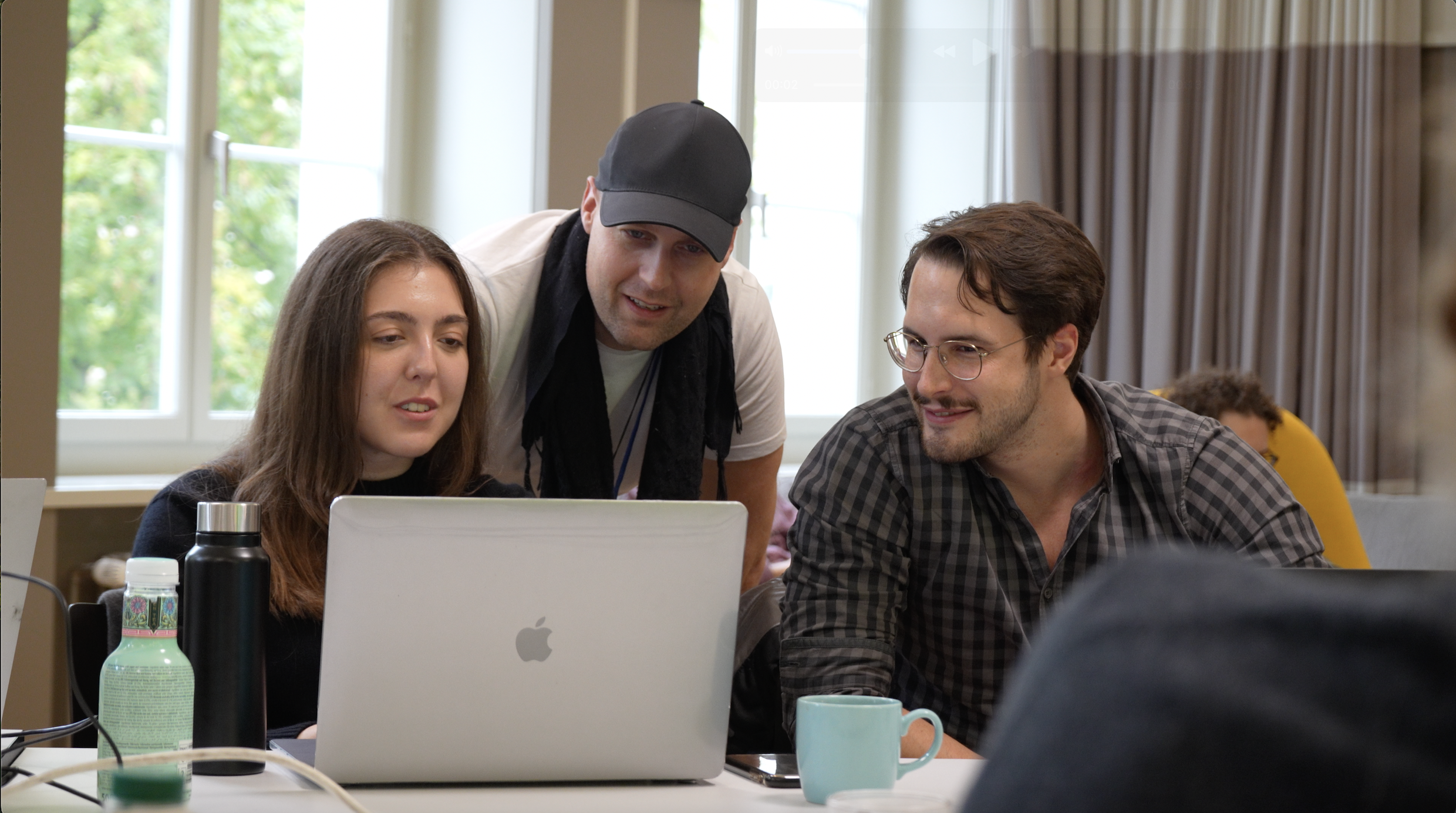
The mandatory module Introduction to Programming and Computational Thinking focuses on algorithmic thinking. Students learn to break real-world problems down into manageable steps and translate those steps into code – first in Scratch, then in Python.
The elective Interdisciplinary Introduction to Machine Learning offers deeper insight into a broad range of applications. Further electives – such as ChatGPT and Beyond, Open Source Intelligence, or Storytelling for Digital Transformation – allow students to tailor their profile according to their individual interests.
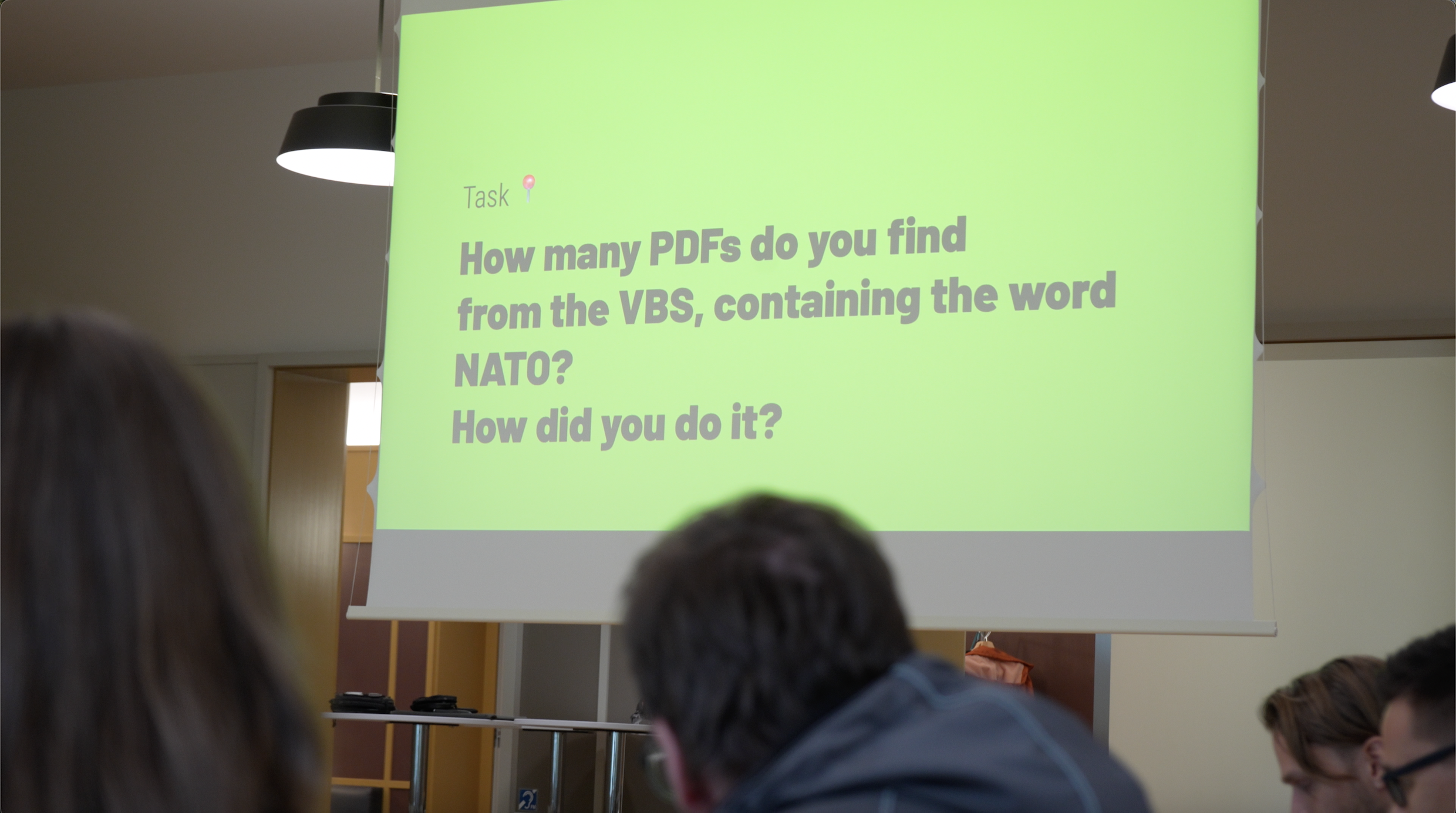


What is digitalization really changing, and how can this be captured scientifically? This mandatory module provides an overview of a wide range of topics and disciplines engaged in investigating the digital transformation of society. The overview is developed through exemplary focus topics of current relevance.
Each session follows a structured format: an input talk by DSI researchers introduces a topic, followed by group work and reflection. At the end of the semester, students present a poster that showcases their engagement with the material.
A selection of focus topics
| Automatic Face Recognition in Theory and Practice | Beyond the Prompt: Navigating Modern Feedback Processes | Digital Religions |
| Decoding Justice: The Emerging Role of Data Science in Law | Economies of Networked Image Cultures | Computational Approaches to Multimodal Human Interaction |
| Digitalization for Sustainability and Sustainability of Digitalization | Network Science: Reasoning about a Highly Connected World | AI and Politics |
This module forms the heart of the program. Interdisciplinary teams of students work on a real world digital transformation challenge over two semesters.
In the fall semester, the teams develop a concept: they analyze the problem, work with experts from various disciplines, and receive guidance on digital methods as well as ethical, legal, and societal aspects. The spring semester is dedicated to implementation – supervised by DSI researchers.
The connecting element is Minor Monday: every week, all teams meet for mandatory sessions that foster progress, networking and collaboration.
The Teamwork on Digital Transformation Challenges module summarized in a short video.
This module invites students to explore the digital transformation of society through an artistic lens. How does digitalization change our sense of self, our perceptions and our relationships? What questions can art ask that science alone cannot?
Students first engage with perspectives from DSI professors that spark critical reflection on digital change. They then develop their own concepts under the guidance of Jonathon Keats, artist and advisor for metadisciplinary studies at the DSI. In addition, the UZH MELS team supports students through film workshops. In the end, students translate their reflections into digital artworks using mixed digital media.
The Digital Transformation: Artistic Reflection module summarized in a short video.